
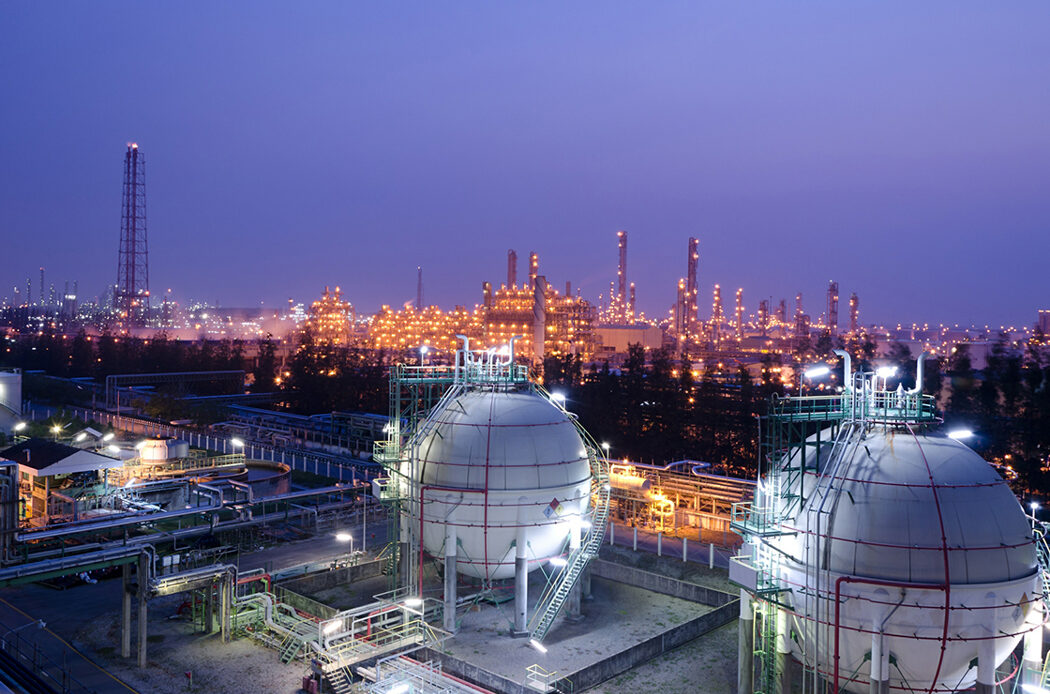
Chemical & Petrochemical Plant – Detailed Summary
A chemical and petrochemical plant is an industrial facility that manufactures chemicals and derivatives from raw materials like crude oil, natural gas, coal, and biomass. These plants play a vital role in producing materials for industries such as pharmaceuticals, plastics, fertilizers, textiles, and energy.
1. Key Raw Materials Used in Chemical & Petrochemical Plants
- Crude Oil & Natural Gas – The primary sources for petrochemical production.
- Coal & Biomass – Used for synthetic chemicals and bio-based products.
- Salt, Minerals & Air – Essential for inorganic chemical production.
2. Types of Chemical & Petrochemical Products
| Category | Examples | Common Uses |
|---|---|---|
| Basic Petrochemicals | Ethylene, Propylene, Butadiene | Plastics, synthetic rubber, resins |
| Polymers & Plastics | Polyethylene (PE), Polypropylene (PP), PVC | Packaging, pipes, automotive parts |
| Fertilizers & Agrochemicals | Urea, Ammonia, Phosphates | Agriculture, crop production |
| Pharmaceutical Chemicals | Active Pharmaceutical Ingredients (APIs) | Medicines, drugs, vaccines |
| Synthetic Fibers & Textiles | Polyester, Nylon, Acrylic | Clothing, carpets, industrial textiles |
| Industrial Chemicals | Sulfuric Acid, Chlorine, Hydrogen Peroxide | Paper, cleaning agents, explosives |
| Detergents & Surfactants | Sodium Lauryl Sulfate, LABS | Soaps, shampoos, personal care products |
| Solvents & Paints | Acetone, Toluene, Benzene | Paints, coatings, adhesives |
3. Key Processes in a Chemical & Petrochemical Plant
A. Crude Oil Refining (Petrochemicals Production)
- Fractional Distillation: Separates crude oil into components like naphtha and gas oil.
- Cracking: Breaks large hydrocarbons into smaller molecules like ethylene and propylene.
B. Polymerization & Plastic Manufacturing
- Monomers (like ethylene) are polymerized to form plastics like polyethylene and polypropylene.
C. Fertilizer Production
- Ammonia synthesis (Haber process) is used to produce nitrogen-based fertilizers.
D. Fine & Specialty Chemicals Manufacturing
- Includes pharmaceutical ingredients, dyes, and agrochemicals through complex synthesis.
4. Importance of Chemical & Petrochemical Plants
✅ Supports Multiple Industries – Supplies materials for manufacturing, agriculture, healthcare, and consumer goods.
✅ Enhances Economic Growth – A key contributor to industrial and global trade.
✅ Enables Modern Technology – Petrochemicals are used in electronics, automotive, and construction.
5. Challenges in the Chemical & Petrochemical Industry
❌ Environmental Impact – High carbon emissions, plastic waste, and hazardous chemicals.
❌ Fluctuating Raw Material Prices – Oil and gas price volatility affects production costs.
❌ Regulatory Compliance – Strict environmental and safety regulations.
❌ Sustainability Concerns – Need for bio-based and eco-friendly alternatives.
6. Future Trends in Chemical & Petrochemical Industry
🌱 Green & Bio-Based Chemicals – Increasing use of plant-based and recycled materials.
🔬 Advanced Material Science – Innovations like biodegradable plastics and nanomaterials.
⚡ Carbon Capture & Hydrogen Economy – Reducing emissions through sustainable energy use.
🏭 Smart Factories & AI Integration – Automated and data-driven chemical production.
Summary
A chemical & petrochemical plant produces essential chemicals and materials for various industries, including plastics, fertilizers, pharmaceuticals, textiles, and energy. The sector is moving toward sustainability, green chemistry, and digital transformation to reduce environmental impact and improve efficiency.