
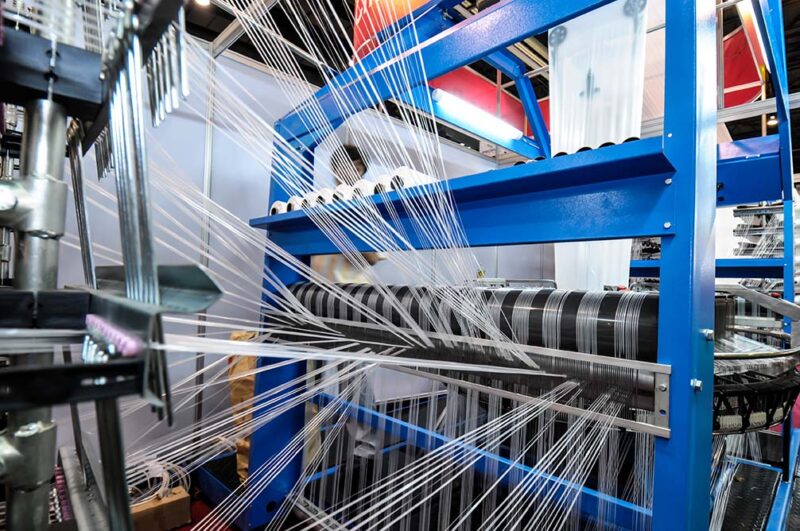
The textile industry is one of the oldest and most significant industries globally, focused on the production of fibers, yarn, fabrics, and finished products. Here’s a detailed summary:
1. Raw Materials
- Natural Fibers: These include cotton, wool, silk, and linen, which come from plants and animals.
- Synthetic Fibers: These are man-made fibers such as polyester, nylon, and acrylic, typically derived from petrochemicals.
2. Manufacturing Process
- Spinning: The process of turning raw fibers into yarn.
- Weaving/Knitting: The yarn is woven or knitted into fabrics.
- Dyeing and Printing: Fabrics are dyed or printed with colors and patterns.
- Finishing: This involves the final treatments of fabric, including processes like softening, water resistance, or wrinkle resistance.
3. Types of Textiles
- Apparel Fabrics: Fabrics used for clothing, such as cotton, denim, wool, and synthetics.
- Home Textiles: Items like bed linens, curtains, and upholstery fabrics.
- Technical Textiles: Specialized fabrics used in medical, automotive, and industrial applications, such as airbags or filters.
4. Global Market
- The textile industry is a significant contributor to the global economy, with large markets in Asia (especially China, India, and Bangladesh), Europe, and the Americas.
- China is the largest producer and exporter of textiles.
- The industry involves a wide range of companies, from small-scale manufacturers to multinational corporations.
5. Key Players
- Major textile companies include Inditex, H&M, Nike, Adidas, Arvind Limited, and Alok Industries.
6. Sustainability Challenges
- The textile industry faces significant sustainability issues, including water consumption, waste, and the environmental impact of synthetic fibers.
- Companies are increasingly moving toward sustainable practices, such as using organic fibers, recycling, and improving water usage.
7. Trends
- Fast Fashion: A trend toward quick production and turnover of fashion trends, often linked to environmental concerns.
- Technological Advancements: The use of automation, AI, and digital printing technologies in textile production.
- Sustainability: Eco-friendly materials, waste reduction, and green manufacturing are gaining momentum.
The textile industry is dynamic, deeply interconnected with global trade, and continuously evolving with new materials and technologies.