
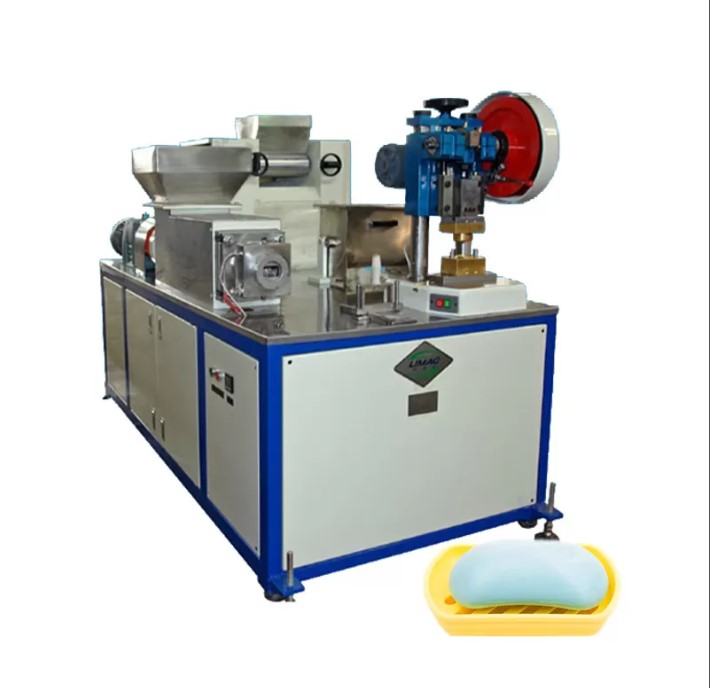
Daily Use Product Plant:
These plants focus on the production of everyday items that people use for personal care, hygiene, household needs, and more. They are an essential part of the consumer goods industry and are designed for mass production of items that are in constant demand. Below is a detailed summary of the plants related to each product.
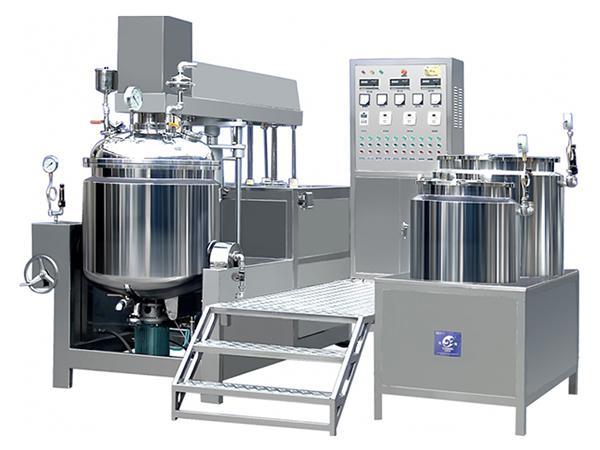
1. Toilet Soap Making Plant
- Overview: This plant manufactures toilet soaps used for personal hygiene.
- Process:
- Saponification: Oils and fats react with an alkali (usually sodium hydroxide) to form soap.
- Mixing: Additives like fragrances, colors, and moisturizers are blended into the soap base.
- Molding: The soap is poured into molds, cooled, and cut into bars.
- Drying and Packaging: Soaps are dried and then packaged for sale.
- Equipment Used: Soap mixers, molding machines, dryers, packaging machines.
2. Glycerin Making Plant
- Overview: This plant is dedicated to producing glycerin, a key by-product of soap production and a widely used ingredient in cosmetics, food, and pharmaceuticals.
- Process:
- Hydrolysis: Fats or oils are hydrolyzed to produce glycerin.
- Purification: The glycerin is separated from impurities and refined.
- Concentration: Glycerin is concentrated into a final product with a specified viscosity and purity.
- Equipment Used: Hydrolysis reactors, filtration units, distillation columns, and concentrators.
3. Toothpaste Making Plant
- Overview: A plant dedicated to producing toothpaste, which is a widely used hygiene product.
- Process:
- Formulation: Mixing ingredients like fluoride, abrasives, foaming agents, flavoring, and humectants.
- Homogenization: The mixture is blended to a uniform consistency.
- Filling and Packaging: The paste is filled into tubes, sealed, and then packaged for retail.
- Equipment Used: Mixers, homogenizers, tube filling machines, and labeling machines.
4. Match Production Line (Fire Box)
- Overview: This plant produces matches, an essential product for lighting fires.
- Process:
- Match Stick Production: Wood or paper sticks are cut to size and treated with chemicals.
- Head Formation: A mixture of chemicals, such as potassium chlorate, is applied to one end of the stick to form the match head.
- Drying and Packaging: The match sticks are dried, packed into matchboxes or books, and sealed.
- Equipment Used: Cutting machines, dipping machines, drying tunnels, and packaging machines.
5. Dry Cell Production Line
- Overview: This plant produces dry cell batteries, commonly used in household items like remote controls, clocks, and flashlights.
- Process:
- Assembly: Electrolytes, anode, and cathode materials are assembled into a cylindrical or prismatic cell.
- Sealing and Testing: The battery is sealed to prevent leakage, and a quality check is conducted.
- Packaging: Finished batteries are packed into boxes for distribution.
- Equipment Used: Battery assembly machines, testing devices, sealing machines, and packaging systems.