
Cumin–Coriander Powder Processing Plant: Complete Industrial Overview
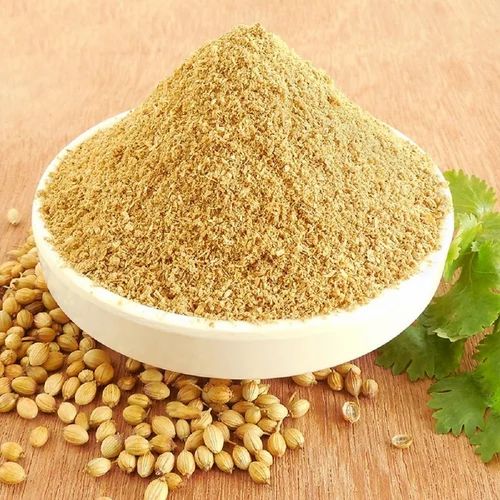
Cumin (Cuminum cyminum) and coriander (Coriandrum sativum) are two of the most widely used spices in global cuisine. Their blended powder—popularly known as cumin–coriander powder or dhaniya–jeera powder—is an essential ingredient in spice mixes, masalas, ready meals, snacks, and food manufacturing industries. With increasing demand for hygienic, high-quality spices, Cumin–Coriander Powder Plants have emerged as a profitable and scalable industrial project.
A cumin–coriander plant is a fully equipped processing unit that converts raw cumin and coriander seeds into finely ground, blended spice powder. Using advanced cleaning, roasting, grinding, and packaging systems, the plant ensures:
- Uniform aroma
- High volatile oil retention
- Purity from dust, stones, and impurities
- Consistent particle size
These plants can operate as small, medium, or large-scale manufacturing units depending on demand and investment.
Raw Materials
- Cumin seeds (Jeera)
- Coriander seeds (Dhaniya)
- Optional ingredients (fennel, cloves, black pepper, depending on product mix)
- Packaging materials (pouches, jars, laminated rolls, bulk bags)
Industrial Processing Steps
1 Cleaning and Destoning
Raw cumin and coriander often contain sand, dust, plant matter, and small stones. Cleaning involves:
- Vibratory sieving
- Air aspiration
- Destoning
- Magnetic separators
- Manual sorting
This ensures clean, food-safe raw materials free from physical contaminants.
2 Roasting (Optional but Beneficial)
Dry roasting enhances:
- Aroma
- Flavor strength
- Shelf life
- Microbial reduction
Plants may use:
- Tray roasters
- Continuous roasters
- Rotary roasters
Temperature is typically maintained between 80°C–120°C depending on seed type.
3 Grinding
Grinding is the core stage of the plant. High-quality grinding ensures:
- Fine mesh size
- Retention of essential oils
- Controlled heat generation
Common equipment:
- Hammer mill
- Pin mill
- ACM (Air Classifier Mill) for premium-grade fine powder
Grinding results in:
- Cumin powder
- Coriander powder
4 Blending and Mixing
Once both spices are ground, they are blended in a fixed ratio. Common industrial ratios include:
- 50:50
- 60:40 (coriander:cumin)
- 70:30
Ratios depend on market preference and flavor requirements.
Ribbon blenders or double-cone blenders are commonly used.
5 Sieving and Grading
To ensure smooth texture and uniform particle size, the powder passes through fine mesh sieves. This step removes:
- Coarse particles
- Fibrous residues
- Undesired fragments
6 Packaging
The final cumin–coriander powder is packed in:
- Air-tight laminated pouches
- PET jars
- Bulk 10–25 kg bags for industrial buyers
Automatic packaging ensures:
- Hygiene
- Accurate weight
- Oxidation protection
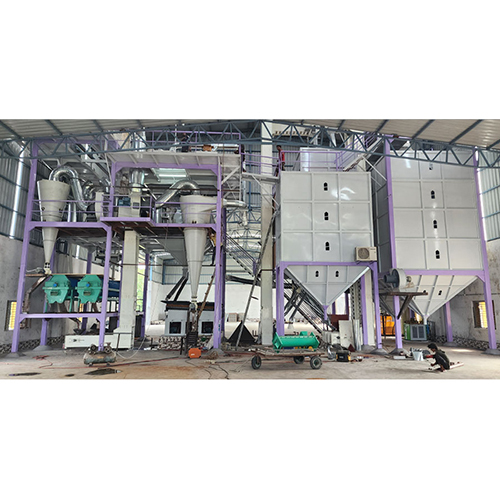
Machinery Required for a Modern Plant
A typical cumin–coriander plant includes:
- Seed cleaning machine
- Destoner
- Roasting machine
- Pulverizer or ACM mill
- Cyclone collector and dust control system
- Ribbon blender
- Sieving machine
- Weighing & sealing packaging machine
- Air compressor (if required)
Many manufacturers integrate automatic PLC systems for better precision and minimal human error.
Quality Control Parameters
Maintaining high quality is essential for domestic and export markets. Key quality standards include:
- Purity: Free from dust, stones, and adulterants
- Volatile oil content
- Moisture content (below 8–10%)
- Microbiological safety
- No metallic contamination
- Consistent mesh size
- Uniform aroma and flavor profile
Plants often follow:
- FSSAI standards
- ISO 22000 / HACCP certifications
- AGMARK grading
Applications of Cumin–Coriander Powder
This blended spice is widely used in:
- Curry powders and masalas
- Ready-to-eat and ready-to-cook meals
- Snack seasonings
- Meat and fish marinades
- Pickles and chutneys
- Food processing industry
- Household cooking
Business Potential and Market Scope
The demand for cumin–coriander powder is rising due to:
- Growth of packaged food industries
- Increasing export of Indian spices
- Rising preference for ready-made spice blends
- Health benefits of cumin and coriander
- Urbanization and modern retail boosting spice consumption
A cumin–coriander processing plant offers:
- High profitability
- Low raw-material cost
- Quick setup and scalability
- Strong domestic and export market
A Cumin–Coriander Powder Plant is a highly promising agro-based industrial project with excellent market demand and profit potential. With modern technology, hygienic processing, and proper quality control, manufacturers can produce a superior spice blend that meets global standards. Whether small or large-scale, this industry offers high returns and long-term growth opportunities.