
Wheat Types, Characteristics, and Uses
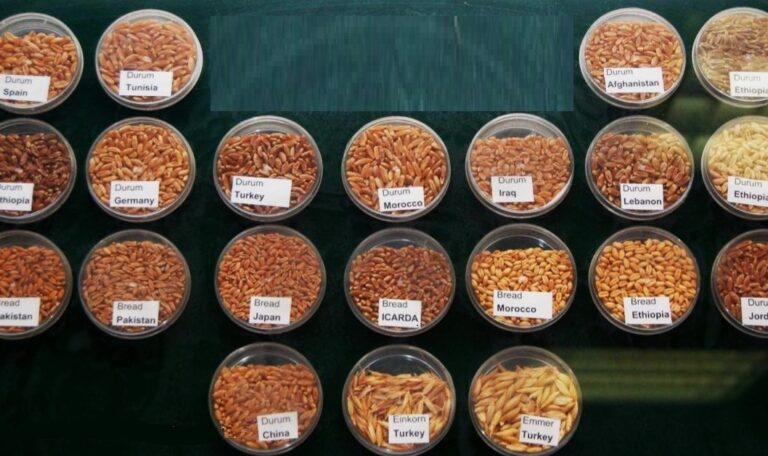
Wheat is one of the most widely cultivated cereal crops globally and a staple food for millions of people. However, the characteristics, quality, and suitability of wheat vary significantly depending on its origin, including the country, climate, soil type, and wheat variety. Understanding wheat from different origins is crucial for millers, bakers, and food processors to select the right type for flour production, baking, and other industrial uses.
Major Wheat-Producing Regions and Their Characteristics
- United States
- Varieties: Hard Red Winter, Hard Red Spring, Soft Red Winter, Durum.
- Characteristics:
- Hard Red Wheat has high protein content (12–15%) and strong gluten, suitable for bread making.
- Soft Red Wheat has lower protein (8–10%) and is ideal for pastries, cakes, and crackers.
- Durum wheat has very high protein and gluten strength, used for pasta and semolina.
- Uses: Bread, pasta, bakery products, and breakfast cereals.
- Canada
- Varieties: Hard Red Spring Wheat, Durum.
- Characteristics:
- High-protein wheat with strong gluten, excellent for bread and noodle production.
- Durum wheat is particularly hard, amber-colored, and ideal for premium pasta.
- Uses: Artisan breads, pasta, and high-quality flour blends.
- Russia and Ukraine
- Varieties: Hard Red Winter, Soft Wheat.
- Characteristics:
- Protein content varies (11–13%), moderate gluten strength.
- Suitable for general-purpose flour and bread-making.
- Uses: Bread flour, biscuits, noodles, and industrial flour blends.
- Australia
- Varieties: Hard Red Wheat, Soft Wheat, Durum.
- Characteristics:
- Consistently high protein wheat (11–15%).
- Strong gluten makes it ideal for bread flour; soft wheat is good for cakes and pastries.
- Uses: Bread, confectionery, pasta, and specialty bakery products.
- European Union (France, Germany, Italy)
- Varieties: Soft Wheat, Hard Wheat, Durum.
- Characteristics:
- Soft wheat with low protein (9–11%) is excellent for pastries, biscuits, and cakes.
- Hard wheat varieties are used for bread and pasta.
- Durum wheat in Italy is ideal for pasta production.
- Uses: Bakery products, pasta, noodles, and biscuits.
- India
- Varieties: Durum, Hard and Soft Wheat (depending on region).
- Characteristics:
- North India produces hard wheat with high protein for chapati and bread.
- South India produces softer wheat suitable for pastries and confectionery.
- Uses: Chapati, bread, biscuits, and noodles.
- China
- Varieties: Soft Wheat, Hard Wheat, Winter Wheat.
- Characteristics:
- Soft wheat with moderate protein for pastries and cakes.
- Hard wheat varieties are used for noodles and bread.
- Uses: Noodles, steamed bread, cakes, and bakery products.
Factors Affecting Wheat Quality
- Climate: Temperature, rainfall, and growing season influence protein content, gluten strength, and starch quality.
- Soil Type: Fertile soils with good drainage yield better wheat quality.
- Variety: Hard or soft wheat varieties determine protein content, gluten strength, and milling performance.
- Harvesting and Storage: Proper harvesting and moisture control prevent spoilage, pests, and fungal contamination.
Uses of Wheat from Different Origins
- Bread-making: Hard wheat from the US, Canada, and Australia is preferred.
- Pastry and Biscuit Production: Soft wheat from Europe, China, and parts of the US is ideal.
- Pasta and Noodles: Durum wheat from Canada, US, Italy, and Australia is preferred.
- Animal Feed and Industrial Uses: Lower-grade wheat may be used for feed, starch, or ethanol production.
Wheat from different origins varies in protein content, gluten strength, and baking properties. Selecting the right wheat based on origin and type is crucial for producing high-quality flour, bread, pastries, pasta, and other wheat-based products. By understanding the characteristics of wheat from various regions, millers and food processors can optimize product quality and meet consumer expectations globally.