
🌾 SOYA SEED CRUSHING PLANT – SERVICES & OPERATIONS
1. Soybean Intake & Storage
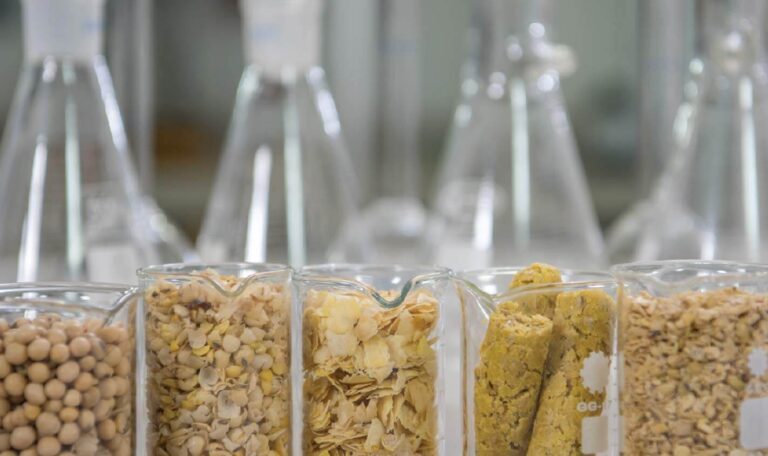
Procurement & Quality Testing: Purchase and testing of soybeans for moisture, protein, and oil content.
Cleaning & Dehulling: Removing dirt, stones, and soybean hulls to prepare for crushing.
Storage Facilities: Silos and warehouses to store raw soybeans under controlled conditions.
2. Crushing & Extraction Process
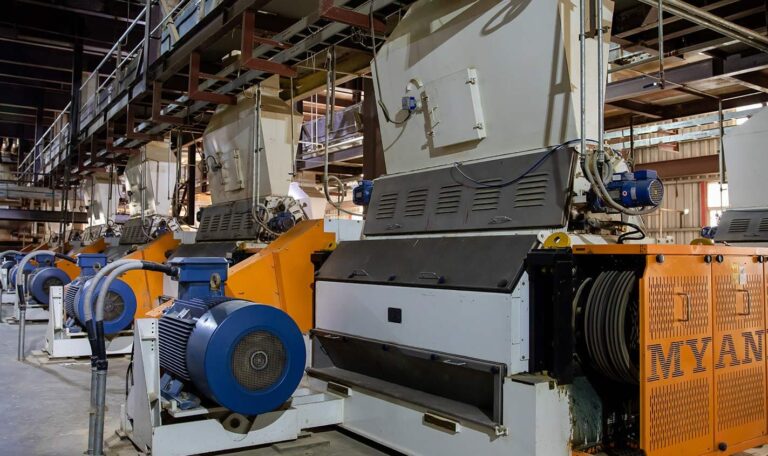
Mechanical Pressing (Expeller Method):
Oil is mechanically extracted using screw presses.
Produces crude soybean oil and press cake (used for meal).
Solvent Extraction (Hexane Method):
High-efficiency method using hexane solvent to extract more oil.
Requires specialized equipment and safety compliance.
3. Soybean Oil Processing
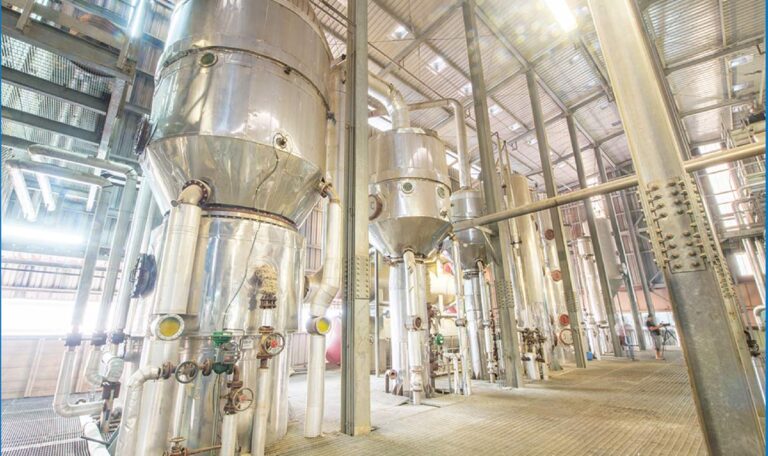
Degumming: Removes phospholipids (gums).
Neutralization: Removes free fatty acids (FFA).
Bleaching: Removes color pigments.
Deodorizing: Removes odors to improve shelf life and taste.
Refined Soybean Oil Output: Sold for cooking oil, margarine, biodiesel, etc.
4. Soybean Meal Production
Meal Drying & Cooling: After oil extraction, the remaining high-protein meal is dried.
Grinding & Pelletizing: Converted into powder or pellets.
Packaging & Distribution: Used as high-protein animal feed or for poultry, fish, and livestock.
5. By-Products & Value Addition
Lecithin: Extracted during degumming for use in food, cosmetics, and pharmaceuticals.
Soap Stock: Used in making soap, lubricants, or animal feed.
Hull Pellets: Used as fiber-rich feed for cattle.
6. Logistics & Export Services
Bulk Packaging: For both oil and meal in drums, jerry cans, or flexitanks.
Transport Solutions: Local and international shipping for raw and finished goods.
Customs & Documentation: Export licenses, quality certificates (ISO, SGS, etc.).
7. Technical & Consultancy Services
Turnkey Plant Setup: Engineering, procurement, and construction (EPC).
Operational Training: For plant operators and engineers.
Process Optimization: Energy-efficient systems, waste reduction.
8. Quality Control & Certifications
ISO 22000 / HACCP compliance
Lab testing for oil quality (FFA, color, peroxide value)
Protein analysis for meal
Soybean Seed Crushing Plant: Process, Machinery, and Products
A soybean seed crushing plant is a specialized facility designed to extract oil and other valuable by-products from soybeans. Soybean is one of the most important oilseeds worldwide due to its high oil and protein content. Soybean crushing plants play a crucial role in producing edible oil, animal feed, and industrial products.
Introduction
Soybeans are rich in oil (18–20%) and protein (40%), making them an ideal raw material for oil extraction and meal production. Soybean seed crushing plants convert raw soybeans into crude oil and soybean meal, which is widely used in food, feed, and industrial applications.
Main Components of a Soybean Crushing Plant
A modern soybean crushing plant typically consists of several key sections:
(a) Seed Cleaning Section
Soybeans are first cleaned to remove impurities such as dust, stones, metal fragments, and other foreign materials. This step is essential to prevent damage to machinery and maintain oil quality.
(b) Dehulling and Conditioning
Soybeans have a tough hull that contains little oil but affects extraction efficiency. Dehulling removes the outer layer. After dehulling, seeds are conditioned with heat and moisture to soften them, improving oil yield during pressing.
(c) Crushing and Flaking
Dehulled soybeans are passed through rollers to produce thin flakes. Flaking ruptures the oil cells and increases the surface area for oil extraction.
(d) Oil Extraction
Soybean oil can be extracted through:
- Mechanical Pressing (Expeller): Hot or cold pressing to obtain crude oil. Hot pressing improves yield.
- Solvent Extraction: Hexane is commonly used for industrial-scale extraction to achieve maximum oil recovery, especially from low-oil-content flakes.
(e) Oil Refining
Crude soybean oil contains impurities such as phospholipids, free fatty acids, and color pigments. Refining processes—degumming, neutralization, bleaching, and deodorization—produce edible-grade soybean oil.
(f) Meal and By-products
The residual soybean meal is high in protein and fiber, making it an excellent ingredient for animal feed. Some plants also recover lecithin and hulls for industrial use.
Soybean Crushing Process Flow:
Raw Material Receiving: Soybeans are transported and stored in silos.
Cleaning: Seeds are cleaned to remove impurities.
Dehulling: Hulls are separated from the cotyledons.
Conditioning: Flakes are heated to optimize oil extraction.
Crushing/Flaking: Seeds are flattened to rupture oil cells.
Oil Extraction: Mechanical pressing or solvent extraction is used.
Oil Filtration and Refining: Crude oil is refined to produce edible oil.
Meal Processing: Residual meal is processed and packed for animal feed.
Machinery Used in a Soybean Crushing Plant
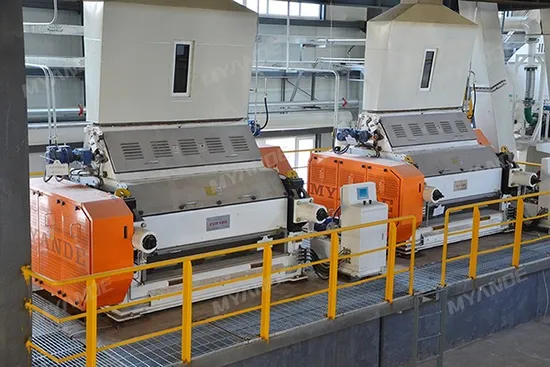
Key machinery includes:
- Seed cleaner and destoner
- Soybean dehuller and separator
- Steam conditioner
- Flaking mill
- Mechanical expeller or oil press
- Solvent extractor (for large-scale operations)
- Oil filtration and refining equipment
- Meal handling and packing machinery
Modern plants often use automation systems to improve efficiency, reduce energy consumption, and maintain consistent quality.
Plant Capacities
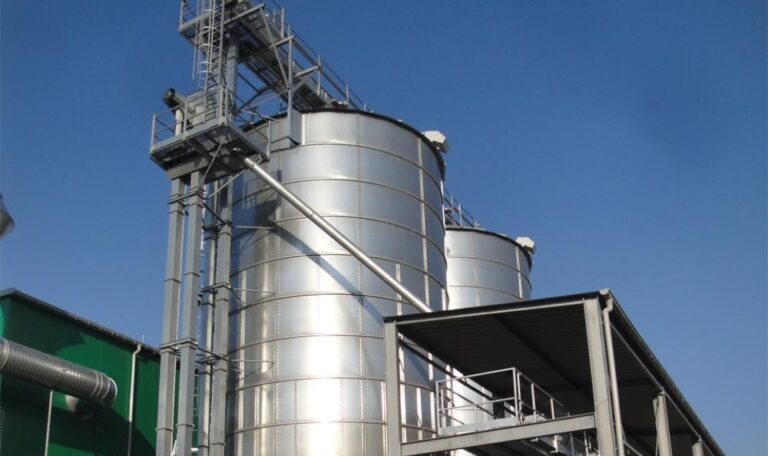
Soybean crushing plants vary in size:
- Small-Scale Plant: 1–10 tons/day, typically using mechanical pressing.
- Medium-Scale Plant: 10–50 tons/day, using a combination of pressing and limited solvent extraction.
- Large-Scale Plant: 100+ tons/day, fully integrated with solvent extraction and advanced refining facilities.
- Products and Applications
A soybean crushing plant produces:
- Crude Soybean Oil: Refined for cooking, margarine, salad dressings, and industrial use.
- Soybean Meal: Protein-rich animal feed.
- By-products: Lecithin (used in food and cosmetics) and hulls (used as fiber supplement or fuel).
Environmental and Safety Considerations
Soybean crushing plants must handle dust, solvent fumes, and oil residues carefully. Modern plants implement:
- Dust collection systems
- Solvent recovery units
- Wastewater treatment facilities
- Fire and explosion prevention measures
Efficient energy use and pollution control ensure sustainability and compliance with environmental regulations.
A soybean seed crushing plant is a vital facility in the edible oil and feed industry. By processing soybeans efficiently, the plant produces high-quality soybean oil and protein-rich meal. Investment in modern machinery, automation, and safety measures ensures profitability, high yield, and environmental sustainability.