
Turmeric Powder Plant: Process, Technology & Industrial Overview
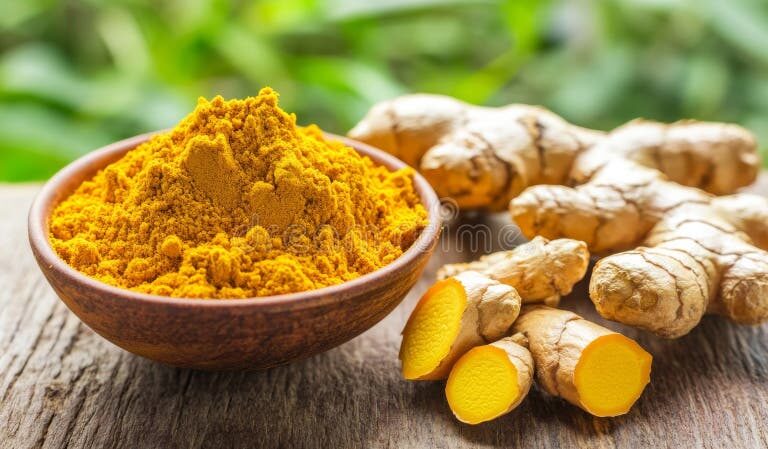
Turmeric (Curcuma longa) is one of the most valuable spices in the world, widely used in food, medicine, cosmetics, and dye industries. A Turmeric Powder Plant converts raw turmeric roots (rhizomes) into high-quality, fine turmeric powder through a series of mechanical and thermal processes. With increasing global demand for natural spices and health products, turmeric processing has become a profitable industrial venture.
A turmeric powder plant is a specialized processing facility designed for cleaning, boiling, drying, grinding, and packaging turmeric roots. The main objective is to ensure high curcumin retention, uniform color, and purity. Modern plants use advanced machinery to maintain hygiene and improve production efficiency.
Raw Materials
- Fresh turmeric rhizomes
- Water for washing and boiling
- Packaging materials (poly bags, pouches, laminated packs, etc.)
Key Stages of Turmeric Processing
1 Cleaning and Washing
Raw turmeric rhizomes contain soil, stones, and plant residues. They are cleaned using:
- Drum washer
- Bubble washer
- Manual sorting
This stage ensures removal of contaminants and improves product quality.
2 Boiling / Curing
Boiling helps:
- Reduce the raw odor
- Improve color and uniformity
- Inactivate microorganisms
- Soften the rhizomes for drying
Boiling is done in steam-jacketed kettles or traditional pans.
3 Drying
After boiling, rhizomes must be dried to below 10% moisture. Two main methods:
- Solar drying (low cost, slower)
- Mechanical hot-air drying (fast, uniform, hygienic)
Temperature typically ranges from 50°C to 60°C.
4 Polishing
Dried turmeric is polished to remove rough surfaces and improve appearance. Methods:
- Manual polishing drums
- Mechanical polishing machines
Well-polished turmeric fetches higher market value.
5 Grinding
Grinding is the most crucial stage for achieving fine powder. Equipment used:
- Hammer mill
- Pulverizer
- Pin mill
- Air classifier mill (for high-grade powder)
Proper grinding ensures:
- Fine particle size
- Uniform color
- Better curcumin retention
6 Sieving and Grading
The ground turmeric passes through sieves to get consistent mesh size (e.g., 60–100 mesh).
7 Packaging
Turmeric powder is packaged in:
- Air-tight pouches
- Containers
- Bulk bags
Packaging protects from moisture, insects, and oxidation.
Machinery Required
A typical turmeric plant includes:
- Turmeric washing machine
- Boiler/steam kettle
- Hot-air dryer or tray dryer
- Polishing machine
- Pulverizer/hammer mill
- Ribbon blender
- Sieving machine
- Packaging machine (manual, semi-auto, or fully automatic)

Quality Standards
A modern plant must follow:
- ISO and HACCP standards
- FSSAI regulations
- Strict hygienic and food safety controls
Testing includes:
- Curcumin content
- Moisture level
- Microbiological safety
- Particle size distribution
Applications of Turmeric Powder
- Food seasoning and coloring
- Ayurvedic and herbal medicines
- Cosmetic formulations
- Natural dyeing
- Nutraceuticals
Business Potential and Market Scope
Demand for turmeric powder is rising globally due to:
- Growing preference for organic spices
- Increased use in pharmaceuticals
- Export demand from Europe, Middle East, and Asia
- Popularity of turmeric supplements (curcumin)
A turmeric powder plant offers:
- High profitability
- Quick return on investment
- Low raw-material cost
A Turmeric Powder Plant is a profitable and sustainable manufacturing business with strong global demand. By adopting modern machinery, hygienic processing, and quality control, producers can achieve high curcumin content, bright color, and premium product quality. It is an ideal industrial project for small, medium, and large-scale investors in the food processing sector.