
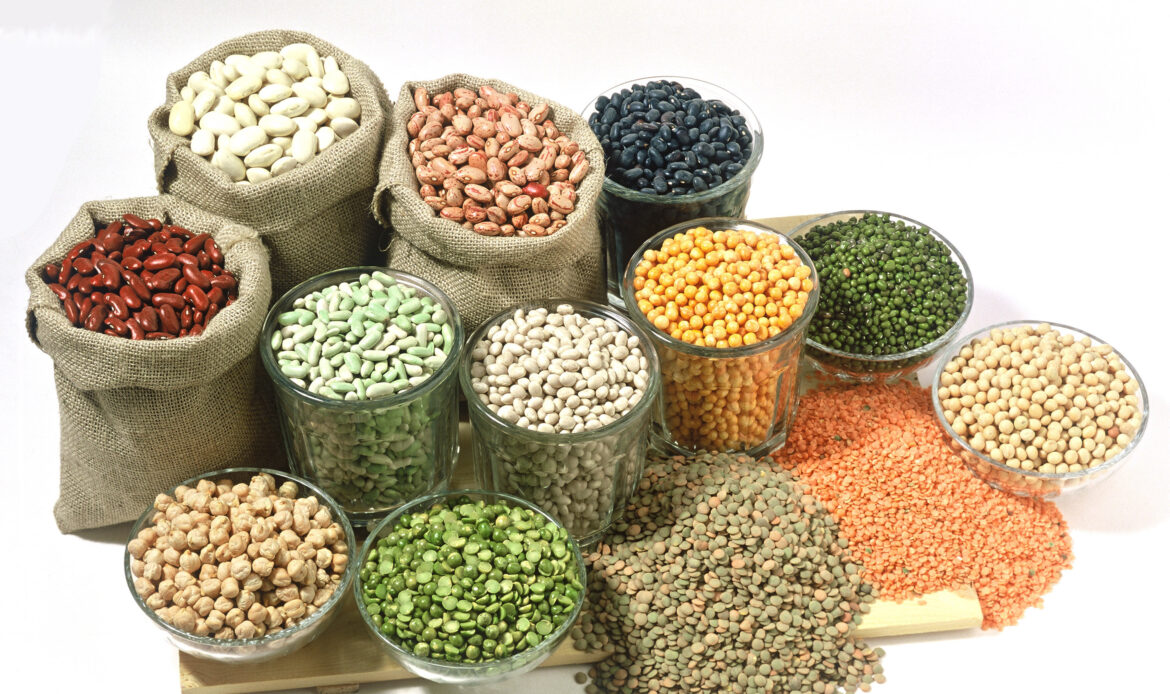
Food Grain and Oil Production
The food grain and oil industry encompasses the cultivation, processing, and distribution of various agricultural commodities that are staple foods or essential ingredients for daily diets worldwide. These products are crucial in ensuring food security and are vital to many economies. Here’s a detailed summary of the different sectors related to food grains and edible oils.
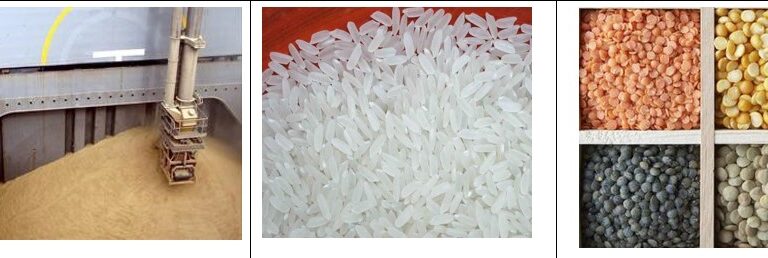
1. Wheat in Bulk (Russia, Ukraine, Canada)
- Overview: Wheat is one of the most widely cultivated and consumed food grains in the world. Major exporting countries for bulk wheat include Russia, Ukraine, and Canada.
- Production:
- Growing: Wheat is grown in temperate climates with significant production in Russia, Ukraine, and Canada.
- Harvesting: Wheat is harvested during the summer or early fall, depending on the region.
- Processing: The wheat is milled into flour for bread, pasta, and other wheat-based products.
- Global Trade: These countries are major exporters of wheat to countries in the Middle East, Africa, and Asia.
- Export: The bulk wheat is typically shipped in large quantities via bulk carriers.
2. Oil Seeds (Soybean, Rapeseed/Canola Seed, Linseed, Sunflower Seed)
- Overview: Oil seeds are crops grown specifically for the oil they produce, which is extracted for cooking, industrial, and nutritional uses.
- Types:
- Soybean: The most widely grown oil seed, used for oil extraction, animal feed, and as a food ingredient (tofu, soy milk).
- Rapeseed/Canola Seed: Grown primarily in Europe, Canada, and Asia, and produces Canola oil, known for its low saturated fat content.
- Linseed: Also known as flaxseed, used to produce linseed oil, primarily for industrial use but also consumed for its health benefits.
- Sunflower Seed: Used for sunflower oil, which is high in unsaturated fats and used for cooking and in various food products.
- Processing: The seeds are crushed or pressed to extract oil, and the remaining meal is used as animal feed.
- Global Trade: Major producers include USA, Brazil, Canada, Ukraine, and the EU.
3. Rice-in Bulk (Myanmar, Pakistan, Vietnam)
- Overview: Rice is a staple food for a large portion of the world’s population, especially in Asia. Bulk rice is exported from countries like Myanmar, Pakistan, and Vietnam.
- Production:
- Growing: Rice is grown in flooded fields (paddy fields) across tropical and subtropical regions.
- Harvesting: After growing, the rice is harvested, then milled to remove the husk, producing white rice or processed into other types like brown rice.
- Global Trade: These countries are major exporters of rice, primarily to African and Middle Eastern countries.
- Export: Rice is exported in bulk, often in large containers or bulk shipments via sea freight.
4. Different Kinds of Pulses (Dal)
- Overview: Pulses, commonly referred to as “dal” in South Asia, include a wide range of dried legumes like lentils, chickpeas, beans, and peas.
- Types of Pulses:
- Lentils: A major source of protein in vegetarian diets, widely grown in India, Canada, and Australia.
- Chickpeas: Used in various dishes, including hummus, and are grown in India, the Middle East, and North Africa.
- Beans (e.g., Kidney Beans, Black Beans): A source of protein, fiber, and essential minerals.
- Peas (e.g., Split peas): Commonly used in soups, stews, and dals.
- Processing: Pulses are cleaned, sorted, and sometimes split (e.g., split peas and lentils) before packaging and distribution.
- Global Trade: Major producers and exporters include India, Canada, Australia, and the USA.
5. Raw Sugar & Finished Sugar
- Overview: Sugar is a key ingredient in the food industry, derived from sugarcane or sugar beets. Raw sugar is processed into finished sugar (white sugar, brown sugar).
- Production:
- Sugarcane/Sugar Beet Cultivation: Raw sugar is extracted from sugarcane and sugar beets, which are processed into raw sugar through crushing and boiling.
- Refining: The raw sugar is then refined into finished white sugar by removing impurities and bleaching, or processed into brown sugar by adding molasses back to the white sugar.
- Global Trade: Major exporters include Brazil, India, Thailand, and Australia for raw sugar, and Brazil, EU countries, and USA for finished sugar.
- Processing: Includes extraction, boiling, and refining to produce different types of sugar (granulated, powdered, or liquid).
6. Edible Oil in Bulk (CDSO, Crude Palm Oil/Olein, RBD Palm Oil/Olein)
- Overview: Edible oils, including crude palm oil, refined palm oil, and canola oil, are essential ingredients in cooking, food production, and industrial uses.
- Types:
- Crude Palm Oil (CPO): Extracted from the fruit of the oil palm tree, mostly produced in Indonesia and Malaysia. It’s used for cooking and processed into a wide range of food products.
- Crude Palm Olein: A fraction of palm oil, mainly used for frying and in packaged foods.
- RBD (Refined, Bleached, and Deodorized) Palm Oil: Refined for use in cooking and food products, known for its high oxidative stability.
- Processing:
- Extraction: The oil is extracted through pressing or solvent extraction.
- Refining: Crude oil is refined to remove impurities and improve flavor and stability.
- Global Trade: Indonesia and Malaysia are the largest producers and exporters of palm oil.
Summary of Food Grain and Oil Products:
- Wheat in Bulk: Primarily exported from Russia, Ukraine, and Canada, used for flour production and in food products like bread, pasta, and noodles.
- Oil Seeds: Includes soybeans, rapeseed (canola), linseed, and sunflower seeds, all of which are crushed to extract oil and used in cooking, food processing, and animal feed.
- Rice in Bulk: Major rice producers and exporters include Myanmar, Pakistan, and Vietnam, supplying staple rice to Asia, Africa, and the Middle East.
- Pulses (Dal): Essential sources of plant-based protein, including lentils, chickpeas, beans, and peas, commonly used in soups and curries.
- Raw Sugar & Finished Sugar: Raw sugar is processed into refined sugar used in food, beverages, and as an ingredient in other processed goods.
- Edible Oils in Bulk: Includes crude and refined palm oil, which is used widely in cooking, food processing, and for industrial purposes.
These products are integral to the global food supply chain, providing essential nutrients and energy to billions of people worldwide. The production and trade of these items are crucial to many countries’ economies, with significant implications for global food security.