
Crude Palm Oil Process & Making Plant:
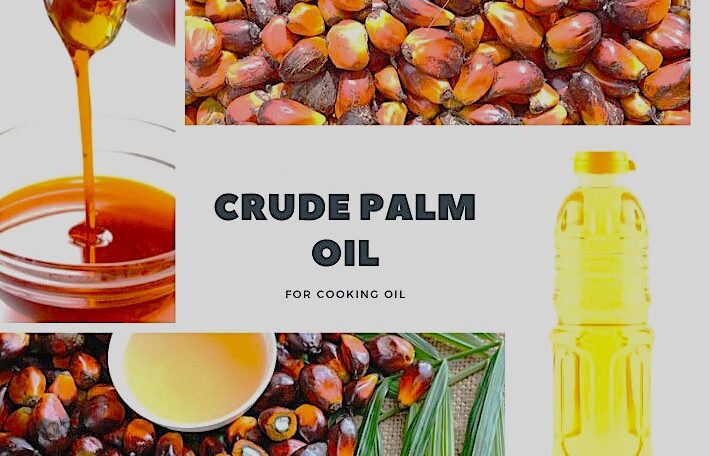
Crude palm oil (CPO) is one of the most consumed vegetable oils globally, derived from the fruit of oil palm trees. It is a key raw material for the food, cosmetics, pharmaceutical, and biofuel industries. A crude palm oil-making plant is an industrial facility that transforms fresh oil palm fruits into crude palm oil through a systematic production process to ensure high yield, quality, and efficiency.
Raw Materials
The primary raw materials for crude palm oil production include:
- Fresh Fruit Bunches (FFB): Harvested from oil palm plantations.
- Water: For washing, sterilization, and clarification processes.
- Steam: For sterilization and heating.
- Fuel/Energy: To operate boilers, presses, and other equipment.
Crude Palm Oil Production Process
The crude palm oil making process involves multiple stages, designed to extract maximum oil content while maintaining quality:
- Fruit Reception and Weighing
- Fresh fruit bunches are delivered to the plant and weighed.
- Inspection ensures only ripe, healthy fruits are processed.
- Sterilization
- Fresh fruits are sterilized using high-pressure steam for 60–90 minutes.
- This inactivates enzymes, prevents free fatty acid formation, loosens fruits from the bunch, and reduces microbial contamination.
- Fruit Stripping (Threshing)
- Sterilized fruit bunches are fed into mechanical threshers or rotary drums to separate the palm fruits from the bunch stalks.
- Digesting
- Stripped fruits are crushed in digesters to break oil-bearing cells, releasing oil droplets.
- Heat may be applied to improve oil extraction efficiency.
- Oil Extraction (Pressing)
- Crushed fruit mash is fed into screw presses or hydraulic presses.
- Mechanical pressing extracts the oil along with water and solid residues.
- Clarification
- Extracted oil contains water, fibers, and solids.
- Clarification tanks or centrifuges separate oil from water and solids.
- This produces crude palm oil with about 3–5% moisture content and minimal solids.
- Nut and Fiber Processing (Optional)
- Separated palm nuts are cracked to extract palm kernel oil.
- Fibers and shells can be used as biomass fuel for boilers, providing energy for the plant.
- Storage
- Clarified crude palm oil is stored in stainless steel tanks or containers.
- Proper storage ensures oil quality before further refining or packaging.
Plant Layout and Equipment
A modern crude palm oil making plant includes:
- Reception Area: Weighbridge, inspection, and FFB storage.
- Sterilization Section: Steam boilers, sterilizers, and conveyors.
- Threshers: Mechanical or rotary drums for fruit separation.
- Digesters: For crushing fruits to release oil.
- Presses: Screw or hydraulic presses for oil extraction.
- Clarification Units: Settling tanks or centrifuges for oil purification.
- Nut & Fiber Processing Units: For palm kernel oil recovery and biomass utilization.
- Storage Tanks: For crude palm oil and by-products.
- Utilities and Safety Systems: Steam, water, fire safety, and ventilation systems.
Quality Control
Maintaining high-quality crude palm oil requires:
- Free Fatty Acid (FFA) Levels: Low FFA indicates minimal oxidation and longer shelf life.
- Moisture and Impurity Content: Excess water or solids reduce quality and stability.
- Color and Aroma: Natural reddish-orange color indicates carotene content; aroma must be fresh, without rancidity.
- Microbial Safety: Sterilization and proper handling prevent microbial contamination.
Industrial Applications
Crude palm oil has diverse applications:
- Food Industry: Cooking oil, margarine, bakery, confectionery, and snack production.
- Cosmetics & Personal Care: Soaps, creams, lotions, and shampoos.
- Pharmaceuticals: Vitamin A-rich oils and medicinal formulations.
- Biofuel Industry: Biodiesel production.
- Industrial Applications: Lubricants, candles, oleochemicals, and animal feed.
Environmental and Safety Considerations
- Fiber, shells, and wastewater are managed sustainably; fibers and shells are often used as biomass fuel.
- Dust and odor control systems improve plant safety and environmental compliance.
- Fire prevention and boiler maintenance are critical due to flammable oils and high-temperature operations.
- Effluent treatment systems prevent contamination of water sources.
A crude palm oil making plant is a critical facility in the vegetable oil industry, converting fresh palm fruits into high-quality crude palm oil for multiple sectors. By combining modern sterilization, pressing, clarification, and storage technologies, these plants ensure high oil yield, consistent quality, and safety. With rising global demand for palm oil in food, cosmetics, biofuels, and industrial applications, crude palm oil production remains a vital component of economic and industrial growth.