
Crude Soybean Oil Making, Processing & Producing Plant
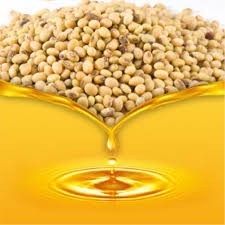
Soybean oil is one of the most widely consumed vegetable oils worldwide, extracted from soybean seeds. It is a versatile oil used in food, industrial, and pharmaceutical applications. A crude soybean oil making and processing plant is an industrial facility designed to extract oil from soybeans and process it into crude or refined forms using modern mechanical and chemical technologies to ensure high yield, quality, and safety.
Raw Materials
The primary raw materials for soybean oil production include:
- Soybean Seeds: High-quality, clean, and mature seeds.
- Water: For cleaning, heating, and processing.
- Steam: Used in conditioning and oil extraction processes.
- Solvents (Optional): Hexane for chemical extraction in large-scale plants.
- Energy: Fuel, electricity, or steam for machinery operations.
Production Process
The production of crude soybean oil involves multiple steps:
- Cleaning and Dehulling
- Soybeans are cleaned using vibrating screens, air blowers, and destoners to remove dust, stones, and impurities.
- Dehulling separates the outer shell from the kernel, improving oil extraction efficiency.
- Conditioning and Flaking
- Soybean kernels are heated using steam to soften the seeds.
- Heated seeds are passed through rollers to form thin flakes, increasing surface area for oil extraction.
- Oil Extraction
Mechanical Pressing
- Flakes are pressed using screw presses or expellers to extract crude soybean oil.
- The remaining solid residue, called soybean cake, is used as animal feed.
Solvent Extraction (Optional, Large Scale)
- Soy flakes are treated with hexane to extract residual oil.
- The solvent is then evaporated, leaving crude soybean oil and de-solventized meal.
- Oil Clarification
- Crude soybean oil contains water, solids, and impurities.
- Oil is clarified using settling tanks, centrifuges, or filtration to remove residues.
- Storage
- Clarified crude soybean oil is stored in stainless steel tanks before refining or distribution.
- Proper storage prevents oxidation and maintains oil quality.
Refining Process (Optional, to produce RBD Soybean Oil)
Crude soybean oil can be further processed into Refined, Bleached, and Deodorized (RBD) oil for edible purposes:
- Degumming: Removal of phospholipids and gums using water or acid treatment.
- Neutralization: Free fatty acids are removed using caustic soda.
- Bleaching: Removal of pigments, trace metals, and impurities using bleaching earth or activated clay.
- Deodorization: Steam treatment under vacuum removes odors and volatile compounds.
Plant Layout and Equipment
A modern crude soybean oil making and processing plant includes:
- Raw Material Storage: Silos or bins for soybeans.
- Cleaning and Dehulling Units: Vibrating screens, air blowers, and dehullers.
- Conditioning and Flaking Section: Steam conditioners and roller mills.
- Oil Extraction Units: Screw presses or solvent extraction units.
- Clarification Units: Settling tanks, centrifuges, and filtration systems.
- Refining Section (Optional): Degumming, neutralization, bleaching, and deodorization units.
- Storage Tanks: For crude or refined oil.
- Packaging Line: Bottling, capping, labeling, and palletizing machines.
- Utilities and Safety Systems: Boilers, steam generation, fire safety, and ventilation systems.
Quality Control
Ensuring high-quality crude soybean oil involves:
- Free Fatty Acid (FFA) Levels: Low FFA indicates minimal hydrolysis and better quality.
- Peroxide Value: Measures oxidation and oil stability.
- Moisture and Impurities: Minimal water and solids prevent spoilage.
- Color and Clarity: Light yellow color indicates freshness.
- Odor and Taste: Neutral, free from rancid or off-flavors.
Industrial Applications
Crude soybean oil and its refined forms are used in:
- Food Industry: Cooking oil, margarine, bakery, confectionery, and salad oils.
- Processed Foods: Frying oils, snacks, and packaged food products.
- Industrial Uses: Biodiesel, lubricants, and oleochemicals.
- Pharmaceutical and Cosmetic Industry: Capsules, creams, soaps, and lotions.
- Animal Feed: Soybean cake is used as high-protein feed for livestock and poultry.
Environmental and Safety Considerations
- Proper management of solvent recovery (if used) to prevent environmental pollution.
- Efficient handling of soybean cake, wastewater, and effluents.
- Fire safety measures are essential due to the flammable nature of oils.
- Hygiene protocols and equipment maintenance ensure worker safety and product quality.
A crude soybean oil making and processing plant is a vital facility in the vegetable oil industry, converting soybeans into crude oil and optionally refining it into RBD oil for edible and industrial purposes. By integrating cleaning, dehulling, flaking, oil extraction, clarification, and refining processes, these plants ensure high yield, consistent quality, and safety. With growing global demand for healthy and versatile vegetable oils, soybean oil production remains an essential and profitable sector in the food and industrial industries.