
RBD Palm Olein Oil Process & Producing Plant
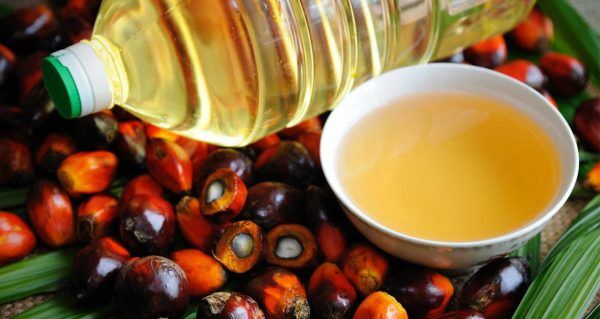
Refined, Bleached, and Deodorized (RBD) palm olein oil is a high-quality edible oil derived from crude palm oil. It is widely used for cooking, frying, and in the food processing industry due to its stability, light color, and long shelf life. A RBD palm olein oil producing plant is an industrial facility designed to refine crude palm oil into RBD palm olein using modern chemical and physical processes, ensuring safety, purity, and consistent quality.
Raw Materials
The primary raw materials for RBD palm olein oil production include:
- Crude Palm Oil (CPO): Extracted from fresh palm fruits via crude palm oil making plant.
- Chemicals: Caustic soda (for neutralization), bleaching earth or activated clay, phosphoric acid (for impurity removal).
- Steam and Water: For heating, bleaching, and deodorization processes.
- Utilities: Energy for heating, pumping, and mechanical operations.
Production Process
RBD palm olein oil production involves several stages to convert crude palm oil into high-quality edible oil:
Neutralization (Refining)
- Crude palm oil contains free fatty acids (FFA) that affect taste and shelf life.
- Caustic soda is added to the oil, converting FFAs into soap, which is then removed by centrifugation.
- This produces neutralized oil with minimal free fatty acids.
Bleaching
- Neutralized oil is treated with bleaching earth or activated clay to remove pigments, trace metals, and impurities.
- Oil is heated under vacuum and agitated with bleaching agents.
- After bleaching, the oil becomes lighter in color and clearer in appearance.
Deodorization
- Bleached oil is subjected to steam deodorization under high temperature and vacuum.
- Volatile compounds, odors, and residual free fatty acids are removed.
- This step produces neutral, odorless, and bland RBD palm olein oil suitable for consumption.
Fractionation (Optional)
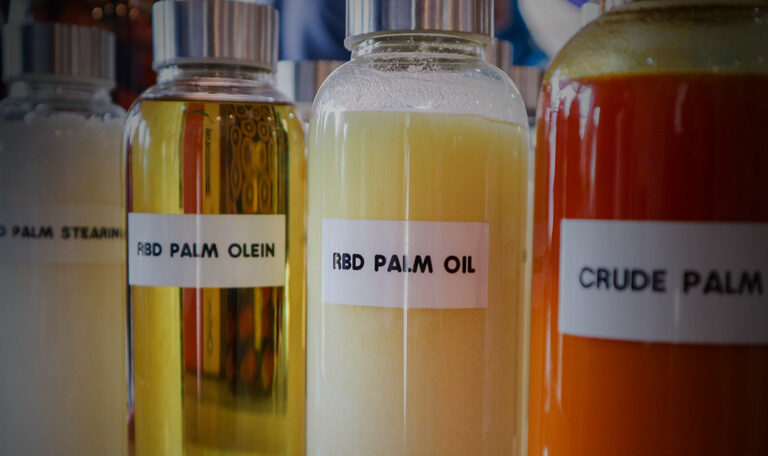
- For producing palm olein specifically, refined oil may be fractionated to separate liquid olein from solid stearin.
- This ensures the oil remains liquid at room temperature and has excellent frying stability.
Filtration and Cooling
- The RBD palm olein oil is filtered to remove any remaining impurities.
- Oil is cooled and stored in tanks before packaging or bulk distribution.
Packaging
- RBD palm olein oil is packed in bottles, pouches, drums, or bulk containers for commercial and industrial use.
- Automated filling, labeling, and sealing machines ensure hygiene and uniformity.
Plant Layout and Equipment
A modern RBD palm olein oil producing plant typically includes:
- Crude Palm Oil Storage Tanks: For receiving and storing CPO.
- Neutralization Section: Reactors, caustic dosing units, and centrifuges.
- Bleaching Section: Bleaching reactors, vacuum heaters, and clay dosing systems.
- Deodorization Section: Steam deodorization units with vacuum systems.
- Fractionation Units (Optional): Cooling crystallizers and separators for olein-stearin separation.
- Filtration and Cooling Units: For final polishing and temperature control.
- Packaging Line: Bottling, labeling, capping, and palletizing machines.
- Utilities and Safety Systems: Boilers, vacuum pumps, steam generation, water treatment, and fire safety systems.
Quality Control
Ensuring high-quality RBD palm olein oil involves:
- Free Fatty Acid (FFA) Levels: Must be less than 0.1% for refined oil.
- Peroxide Value: Low peroxide value indicates minimal oxidation and rancidity.
- Color and Clarity: Light yellow, clear, and appealing.
- Odor and Taste: Neutral, free from off-flavors or odors.
- Moisture and Impurities: Minimal water and solids to prevent spoilage.
- Microbiological Safety: Ensures hygienic standards for edible oil.
Industrial Applications
RBD palm olein oil produced in these plants is used in:
- Food Industry: Cooking oil, frying, margarine, bakery, and confectionery.
- Fast Food Chains: For deep-frying due to high thermal stability.
- Food Processing: Snack foods, instant noodles, and packaged foods.
- Industrial Applications: Production of oleochemicals, soaps, and detergents.
- Export Markets: Supply to global edible oil markets.
Environmental and Safety Considerations
- Proper handling of spent bleaching clay and effluents is essential to reduce environmental impact.
- Steam and energy-efficient systems minimize operational costs.
- Fire prevention measures are critical due to the flammable nature of oil.
- Worker safety protocols, including protective gear and hygiene, are mandatory.
A RBD palm olein oil producing plant is a crucial facility in the edible oil industry, converting crude palm oil into high-quality, refined, bleached, and deodorized oil suitable for cooking and food processing. By integrating neutralization, bleaching, deodorization, and fractionation processes, these plants ensure consistent quality, stability, and hygiene. With the increasing global demand for healthy and stable cooking oils, RBD palm olein production remains an essential and profitable sector in the vegetable oil industry.