
Mustard oil is one of the most widely used edible oils in South Asia, known for its strong flavor, high smoke point, and numerous health benefits. Extracted from mustard seeds (Brassica juncea, Brassica nigra, or Brassica rapa), mustard oil is used both for cooking and in industrial applications such as lubricants, soaps, and biofuels. The mustard oil seed plant plays a crucial role in transforming raw seeds into refined, high-quality oil through modern processing technology.

Raw Material Preparation
The process begins with the procurement and cleaning of mustard seeds. Seeds are sourced from reliable suppliers or directly from farmers. High-quality seeds with good oil content (usually 38–42%) are selected.
Key steps:
- Cleaning: Removal of impurities like stones, dust, stems, and metal particles using a vibrating screen, destoner, and magnetic separator.
- Grading: Seeds are graded by size and quality to ensure uniformity during crushing.
- Conditioning: Seeds are pre-heated to soften the kernels, improving oil yield during extraction.
Seed Cracking and Flaking
After cleaning, the mustard seeds pass through crushers or cracking rollers to break them into smaller pieces.
- Flaking mills flatten the cracked seeds into thin flakes to increase the surface area for efficient oil extraction.
- The temperature and pressure during flaking are carefully controlled to prevent damage to the oil content.
- Cooking and Conditioning
The flaked seeds are then transferred to steam cookers or conditioners.
Purpose of cooking:
- To coagulate seed proteins and release oil easily.
- To adjust the moisture and temperature for better oil recovery.
- Typical cooking temperature: 80°C–90°C for 15–20 minutes.
The cooked flakes are now ready for mechanical pressing.
- Mechanical Oil Extraction (Expelling)
Oil extraction is performed using a screw press or oil expeller.
Process:
- The cooked mustard flakes are fed into the expeller machine, which applies high pressure and friction.
- This process separates crude mustard oil from the solid cake (known as mustard oil cake).
- The first pressing yields 70–75% of total oil, while the remaining oil can be extracted using solvent extraction if desired.
- Filtration and Clarification
The crude mustard oil obtained from expelling contains impurities such as fine solids, gums, and moisture.

Filtration process:
- Oil passes through filter presses or centrifuges to remove suspended particles.
- This step ensures clarity and improves storage stability.
- Refining Process (Optional)
Some producers refine mustard oil to enhance quality and shelf life. Refining typically involves:
- Neutralization: Removing free fatty acids using caustic soda.
- Bleaching: Using activated earth or carbon to remove pigments and impurities.
- Deodorization: Heating the oil under vacuum to remove odor-causing compounds.
However, cold-pressed or kachhi ghani mustard oil (unrefined) is also popular for its natural flavor and health benefits.
Packaging and Storage
After filtration or refining, the oil is cooled, tested, and packed into containers such as tins, PET bottles, or pouches.
Storage considerations:
- Oil should be stored in cool, dry, and dark places to prevent oxidation.
- Mustard oil cake, a valuable by-product, is used as animal feed or organic fertilizer.
By-Products and Utilization
- Mustard Oil Cake: Used as cattle feed and manure.
- Refining Residues: Sometimes used in soap making.
- Wastewater Treatment: Effluents from refining are treated before discharge to meet environmental norms.
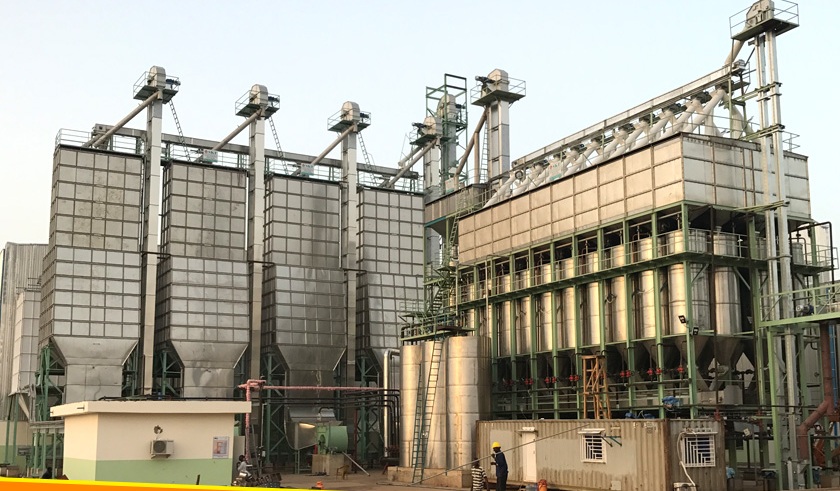
Plant Machinery and Equipment
A typical mustard oil plant includes:
- Seed Cleaner and Grader
- Dehuller (optional)
- Flaking Mill and Cooker
- Oil Expeller / Press
- Filter Press / Centrifuge
- Refinery Unit (optional)
- Storage Tanks and Packaging Machines.
Economic and Environmental Aspects
- Profitability: Mustard oil plants offer high returns due to steady demand in food and industrial sectors.
- Sustainability: Waste utilization and eco-friendly practices like using biomass boilers or solar dryers improve sustainability.
- Quality Control: Regular testing for acid value, moisture, and purity ensures compliance with FSSAI and BIS standards.
A mustard oil seed processing plant is a vital agro-industrial setup that transforms local agricultural produce into a valuable edible commodity. With the integration of modern machinery, energy-efficient processes, and quality control systems, these plants not only generate employment but also contribute significantly to rural development and the edible oil industry’s growth.