Plastic Industry Overview
The plastic industry is one of the largest and most diverse industries in the world, playing a crucial role in manufacturing, packaging, construction, automotive, healthcare, and many other sectors. It involves the production of various plastic materials such as polyethylene (PE), polypropylene (PP), polyvinyl chloride (PVC), and polyethylene terephthalate (PET), among others.

Key Aspects of the Plastic Industry
Raw Materials
- Derived from petroleum and natural gas.
- Includes synthetic polymers like PE, PP, PVC, and PET.
Manufacturing Processes
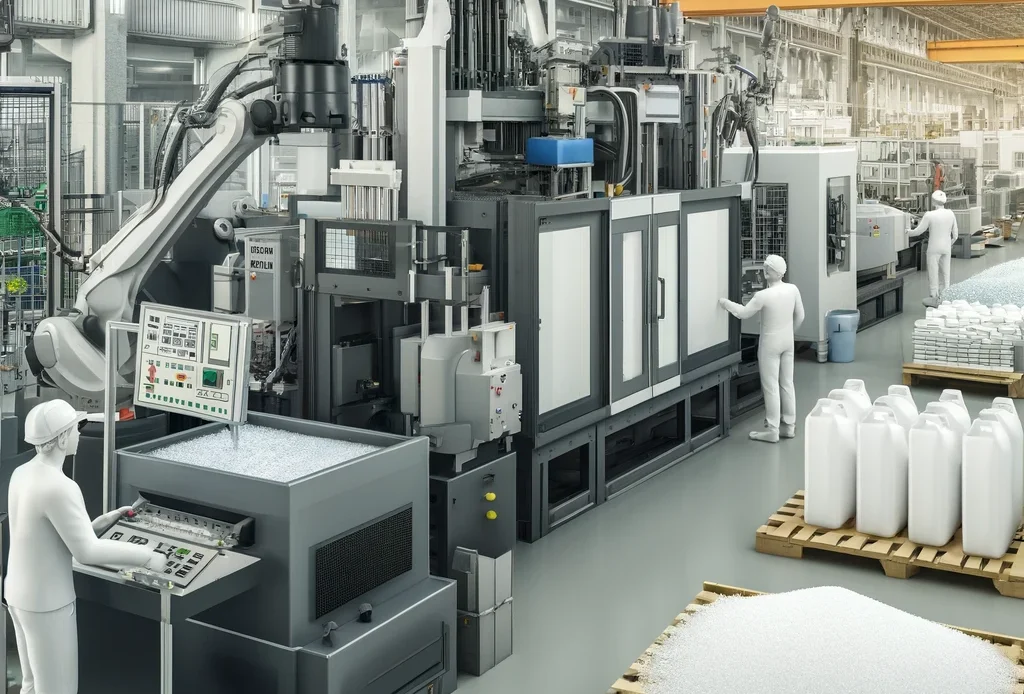
- Injection Molding – Used for making bottles, containers, and automotive parts.
- Extrusion – Produces plastic pipes, sheets, and films.
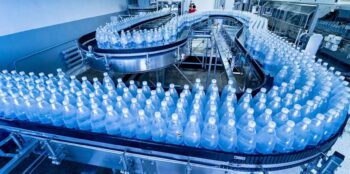
- Blow Molding – Common in making plastic bottles.
- Thermoforming – Used for creating packaging trays and disposable containers.
Applications
- Packaging – The largest sector, including bottles, bags, and films.
- Automotive – Plastic is used in car interiors, bumpers, and dashboards.
- Construction – Includes PVC pipes, insulation, and flooring materials.
- Medical & Healthcare – Produces syringes, IV bags, and medical tubing.
Sustainability Challenges
- Plastic waste and pollution concerns.
- Recycling and biodegradable plastics are growing trends.
- Governments and companies are investing in eco-friendly alternatives.
Market Trends & Future
- Increasing demand for biodegradable plastics.
- Growth in recycling technology.
- Innovations in 3D printing using plastics.