
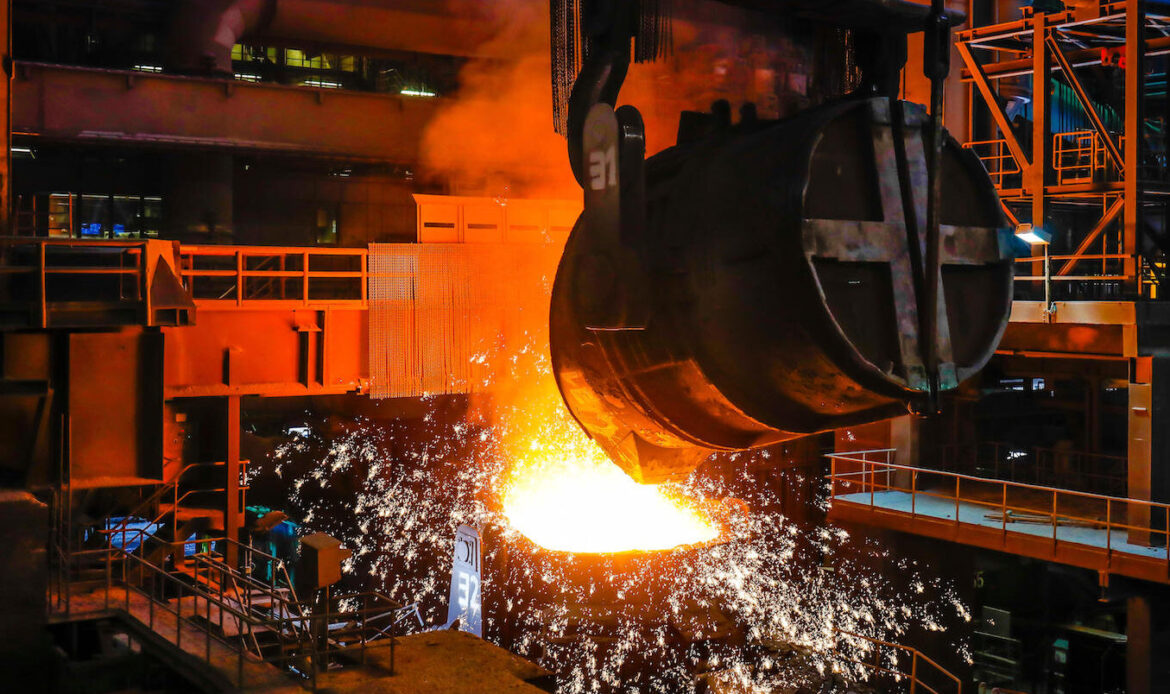
Steel Industry
The steel industry is one of the most critical sectors in global manufacturing, supplying materials for infrastructure, transportation, construction, energy, and consumer products. Steel is an alloy of iron and carbon, with additional elements like manganese, chromium, and nickel to enhance strength, corrosion resistance, and durability.
1. Key Raw Materials
The production of steel relies on several essential raw materials:
- Iron Ore – The primary source of iron.
- Coal (Coke) – Used as a reducing agent in blast furnaces.
- Limestone – Helps remove impurities.
- Scrap Steel – Recycled material used in electric arc furnaces (EAF).
2. Steel Production Processes
A. Blast Furnace – Basic Oxygen Furnace (BF-BOF) Process
- Iron ore, coke, and limestone are melted in a blast furnace.
- The molten iron is refined in a basic oxygen furnace (BOF).
- This process is mainly used for large-scale, high-quality steel production.
B. Electric Arc Furnace (EAF) Process
- Uses scrap steel as the primary input.
- An electric arc generates extreme heat to melt the metal.
- This method is more energy-efficient and environmentally friendly.
3. Types of Steel and Applications
| Type of Steel | Description | Common Uses |
|---|---|---|
| Carbon Steel | Strong but less corrosion-resistant. | Construction, pipelines, machinery. |
| Stainless Steel | Contains chromium, resists rust. | Kitchenware, medical tools, construction. |
| Alloy Steel | Enhanced strength with nickel, chromium. | Aerospace, automotive, tools. |
| Tool Steel | High hardness and heat resistance. | Cutting tools, drills, molds. |
4. Major Applications of Steel
Steel is a key material in many industries:
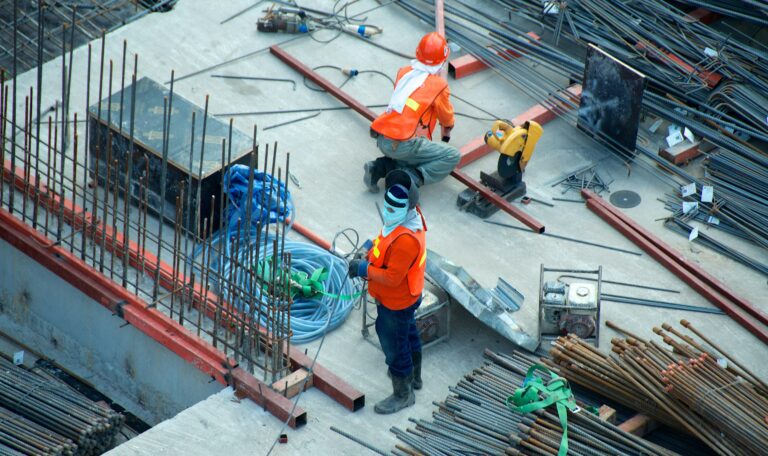
- Construction – Buildings, bridges, skyscrapers, pipelines.
- Automotive & Transportation – Cars, trucks, railways, ships.
- Manufacturing – Machinery, tools, appliances.
- Energy Sector – Oil and gas pipelines, wind turbines.
- Defense & Aerospace – Military vehicles, aircraft, weapons.
5. Industry Trends & Challenges
Trends:
✅ Green Steel Production – Hydrogen-based and electric arc steelmaking.
✅ Increased Recycling – Circular economy with high scrap steel use.
✅ Smart Manufacturing – AI, automation, and Industry 4.0.
Challenges:
❌ Environmental Impact – High CO₂ emissions in traditional steelmaking.
❌ Raw Material Price Volatility – Iron ore and coal costs fluctuate.
❌ Global Competition – China, India, and the US dominate production.
6. Future of the Steel Industry
The steel industry is transitioning towards sustainable and low-carbon production. Innovations such as hydrogen-based steelmaking, carbon capture technology, and automation are shaping a more efficient and eco-friendly future.
Summary
The steel industry plays a vital role in global development, supplying materials for construction, transportation, and manufacturing. Despite environmental and economic challenges, advancements in green steel and recycling are paving the way for a more sustainable industry.